Since 2014
It started with one roaster and a long drive.
Eleven farms, one drum at a time, and a shed at the top of the hill. Here is how we ended up here — and how we decide what to buy.
How we got here
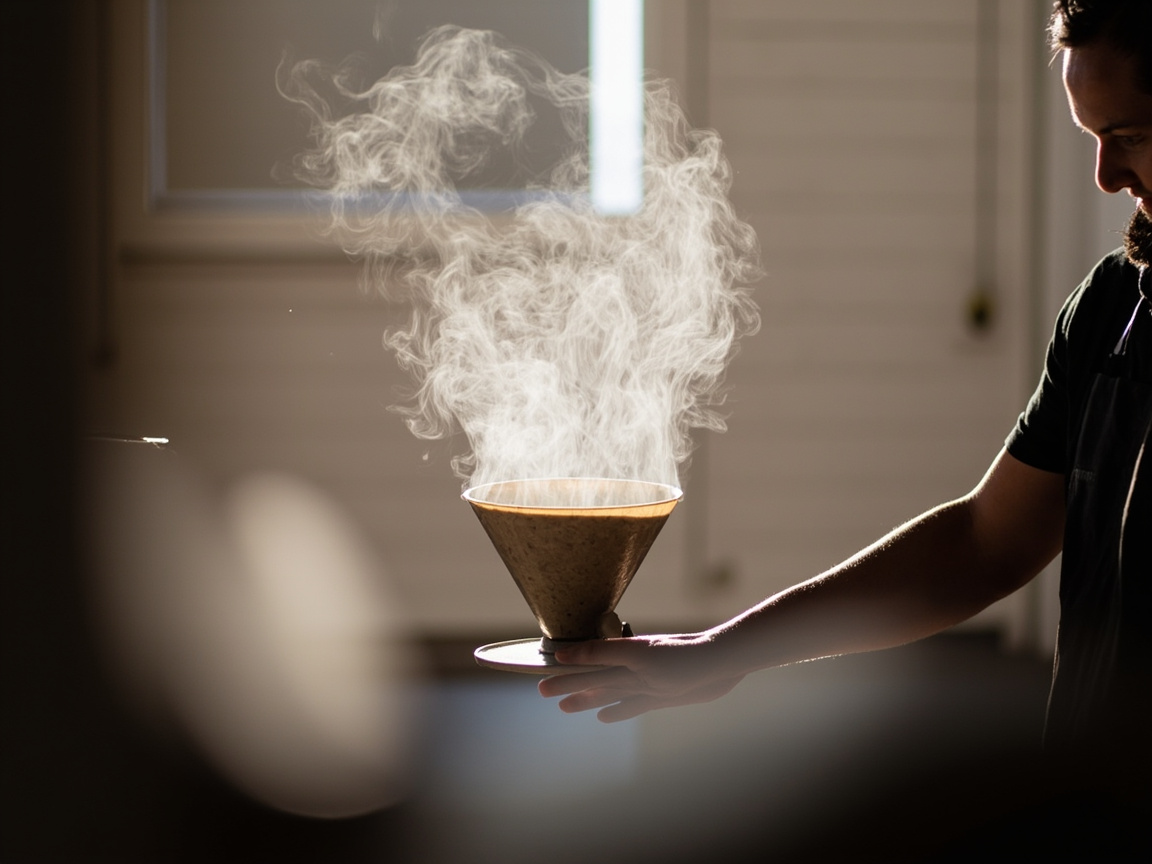
We started roasting in a converted shear shed at the top of Tūī Hill, mostly because it was the only building with a chimney. The first customers were the people who drove past it.
Ten years on, the shed is still our roastery — we just added a second drum and a very good coffee grinder. Nothing else has changed about how we work.
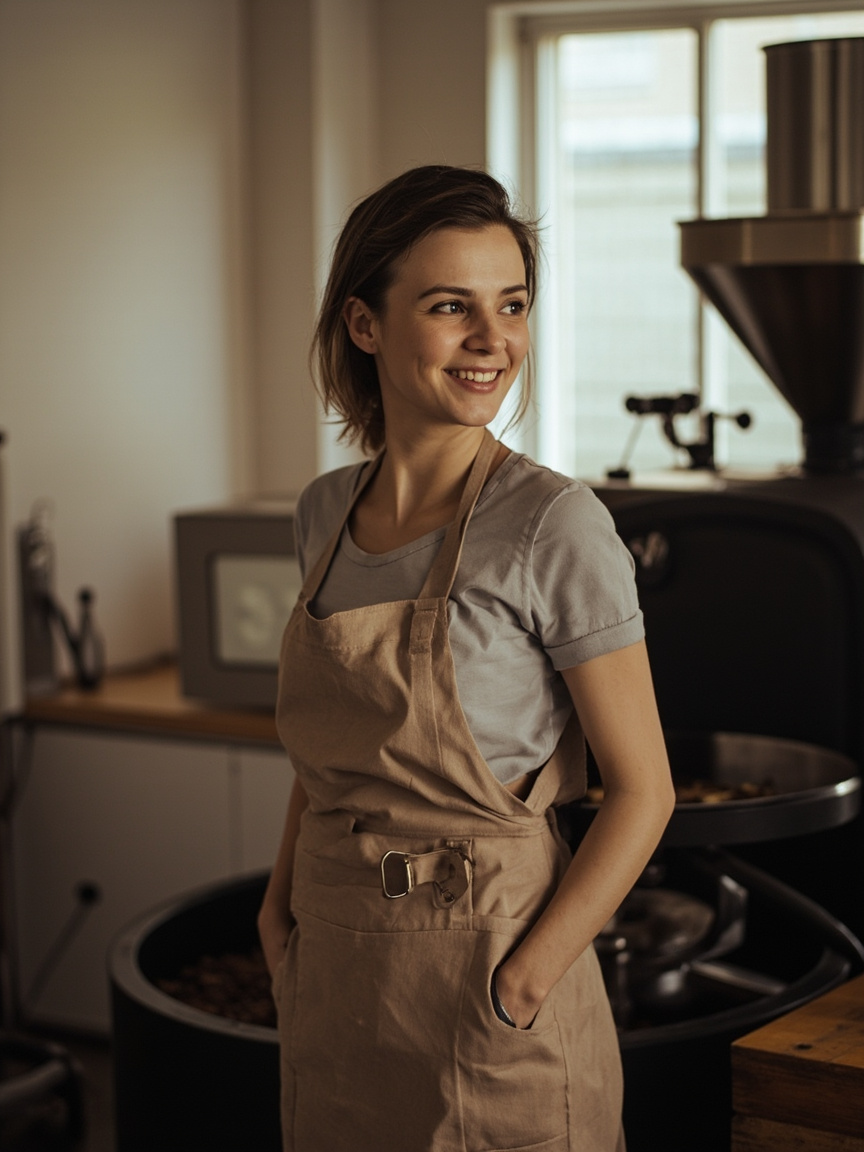
Mia Herewini, roaster
Mia grew up on a dairy farm a valley over and spent a decade in hospitality before she started roasting. She still pulls every first batch herself and still writes the tasting notes by the roaster window.
“The window faces east, so we cup at nine with the light behind the cups. Everything I taste in the first two minutes decides how the rest of the day goes.”
How we buy
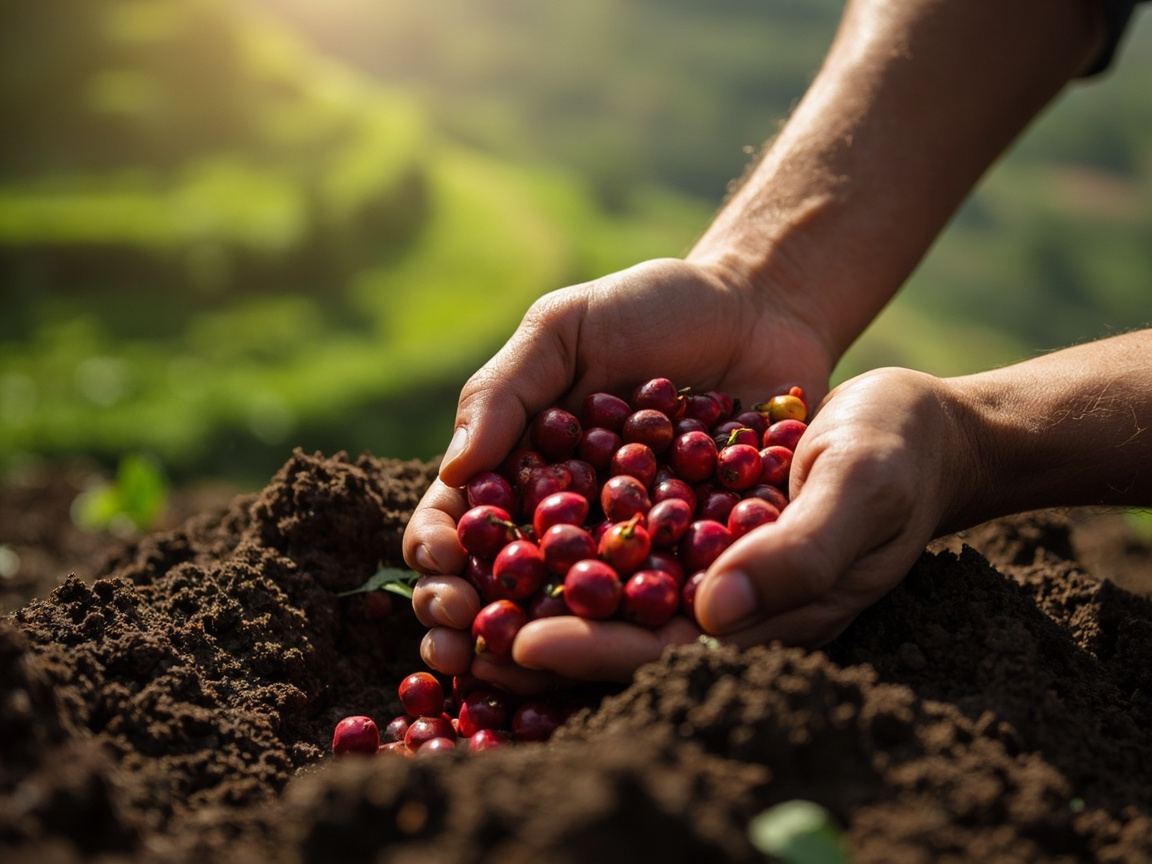
We buy from eleven farms, and we've visited every one. We pay an average of 62% above the Fairtrade floor, we pre-finance harvests where a farm asks us to, and we commit to a whole season's volume so growers can plan. If we can't visit a farm before we buy, we don't buy it.
- 11 farms
- Every one visited in person before a first purchase.
- +62%
- Average price paid above the Fairtrade minimum.
- Whole season
- We commit to volume so growers can plan ahead.
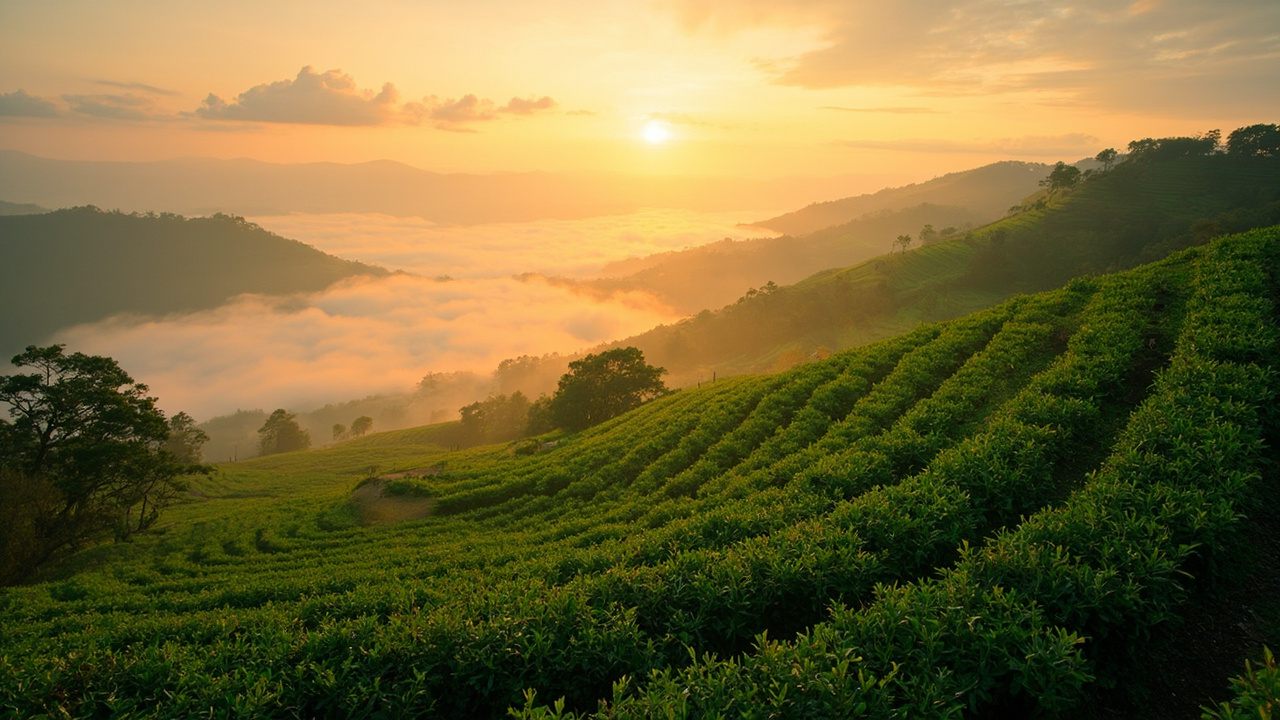
Every bag has an address.
Roast date, farm, altitude, variety. If it doesn't say where it's from, we didn't buy it.
See the coffeesThe bag is part of the story.
Plain kraft, single-colour label, no foil and no plastic window. It goes in the home compost in about six months, and the label peels off clean. We would rather the packaging argued less about coffee than the coffee did.